


Style Japonism, Chinoiserie / Ref.12432
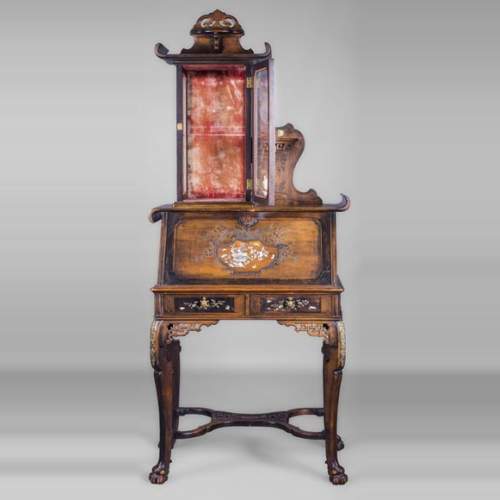
CHARBONNIER (cabinetmaker) for L’ESCALIER DE CRISTAL, Japonist Cabinet with Sliding Lacquer Panel, circa 1890
Dimensions
Width: 88 cm / 34'' ⅝
Height: 192 cm / 75'' ⅝
Depth: 46 cm / 18'' ⅛
Origin:
France, 19th century
This cabinet with a central panel in Japanese lacquer (Meiji period) is attributed to the Escalier de Cristal and draws inspiration from Japanese architecture and furniture. The panel is adorned with floral motifs and birds in relief, heightened with gold, set into a modern European structure. Taken over by the Pannier brothers in 1885, the Escalier de Cristal adapted its production to the fashion for Japonisme and created pieces of furniture and objets d'art in the Far Eastern taste.
The design of our piece appears in Henry Pannier's celebrated blue notebook. The annotations provide information on the conception and manufacture of our cabinet with a sliding lacquer panel, made by the cabinet-maker Charbonnier, which we date to around 1890, shortly after the Pannier brothers took over the shop.
The cabinet rests on a base with overhanging sides, adorned at its centre with an exceptional heart carved in crystal, set in a gilt bronze appliqué. This cut crystal heart makes this piece a rarity within the Escalier de Cristal's production. The engraving of the crystal, particularly fine and precise, depicts a bird in flight.
The Japanese lacquer panel depicts birds perched on blossoming branches, treated in a naturalistic manner. True to its Far Eastern inspiration, the cabinet does not open in the European fashion with a hinged system but by sliding, in the manner of the interior walls of traditional Japanese houses.
The decoration of the frame consists of openwork wood of great fineness. Gilt bronze ornaments punctuate the decoration: the pediment features a lion's head and openwork appliqués decorate the base. The feet of the cabinet take the form of lion's paws treated with realism. From the earliest Jesuit missions to Asia and the creation of the East India Company, the use of lacquer in furniture was present in Europe. In the eighteenth century, the invention of vernis Martin allowed Europeans to achieve a result very close to Asian lacquer. But it was the opening of Japan to foreign trade and the intensification of commerce with the Far East in the second half of the nineteenth century that prompted an influx of raw material to the old continent. This new situation enabled French luxury houses and cabinet-makers to include more lacquer panels in their creations, as is the case with our piece, whose panel was directly imported from Japan.
Informations
Price: on request
Recommended for you :
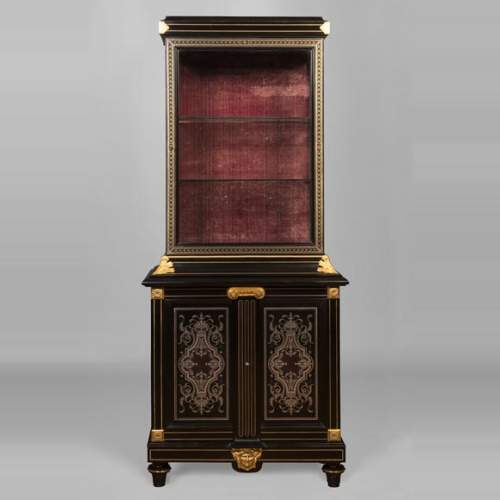
Dimensions:
Width: 71
Height: 167
Depth: 37
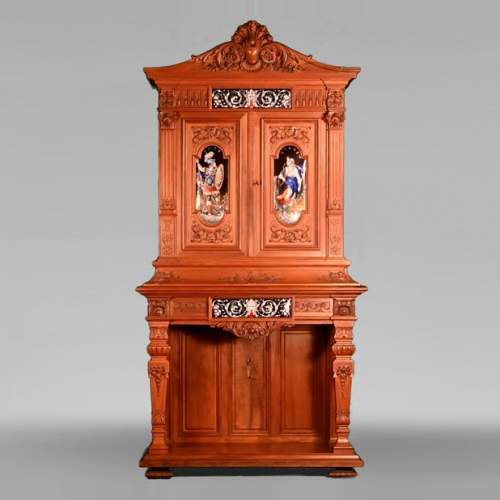
Dimensions:
Width: 107
Height: 211
Depth: 47
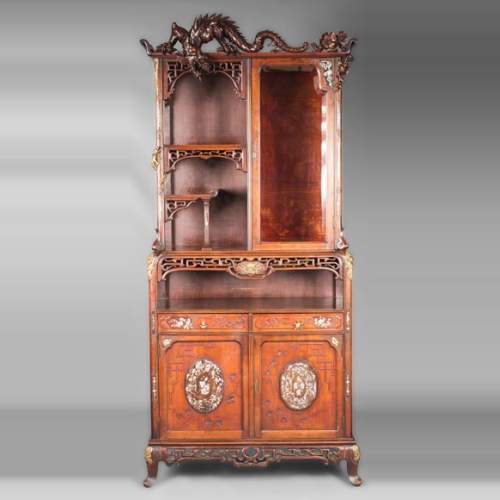
Dimensions:
Width: 98
Height: 204
Depth: 43
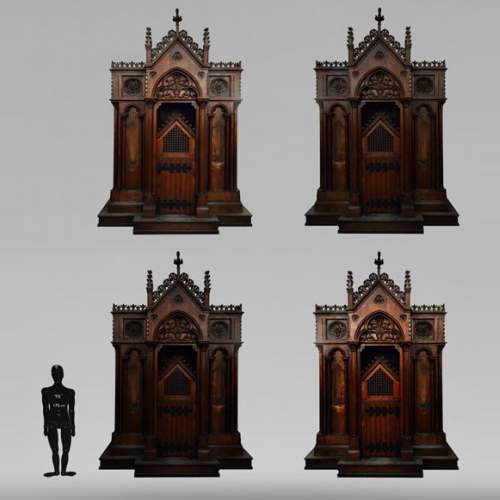
Dimensions:
Width: 241
Height: 351
Depth: 120

Dimensions:
Width: 75
Height: 158
Depth: 47

Dimensions:
Width: 143
Height: 255
Depth: 54
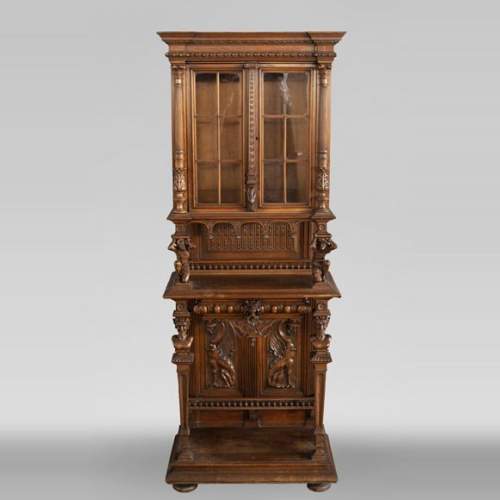
Dimensions:
Width: 72
Height: -1190
Depth: 42
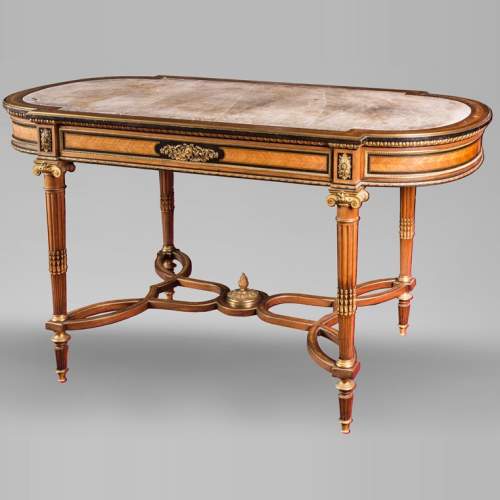
Dimensions:
Width: 141
Height: 73
Depth: 70
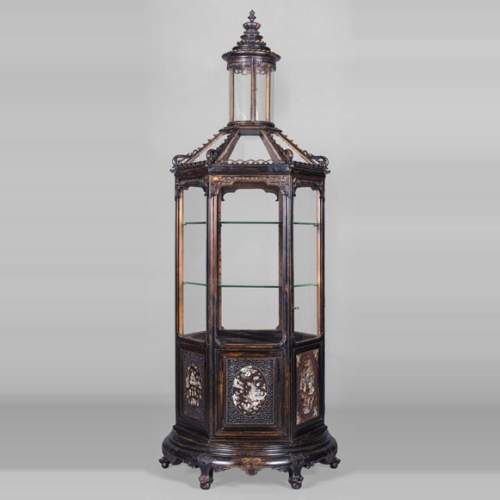
Dimensions:
Height: 228
Diameter: 88
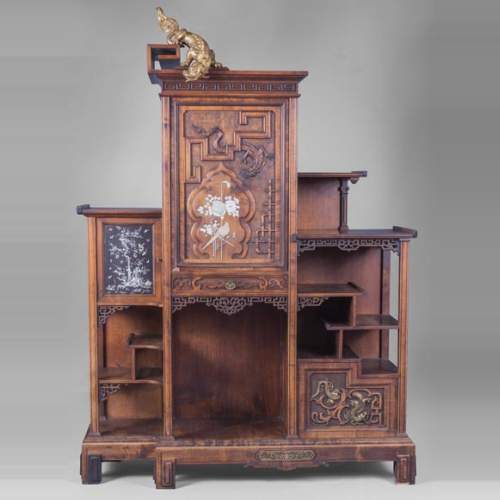
Dimensions:
Width: 130
Height: 182
Depth: 24
Dimensions:
Width: 78
Height: 186
Depth: 47
Dimensions:
Width: 120
Height: 66
Depth: 55