menu
Menu
account_box
Categories
Contact
email Send us a message

Contact us

phone By phone

+33 (0)1 42 25 12 79
Tue.-Sat., from 10am to 6pm
+33 (0)6 60 62 61 90
Everyday from 9am to 7pm.

email by Email

Adress: contact@marcmaison.com

share Let's get social

Languages
And also...
My selection
(8 Objects)
My selection (8 Objects)
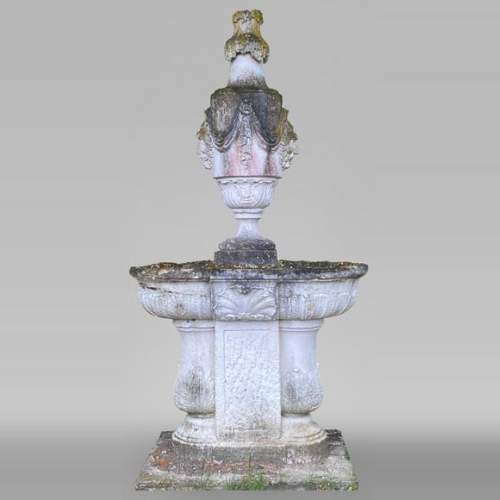

Regence style garden fountain with double basin in stone

Dimensions:
Width: 153 cm
Height: 291 cm
Depth: 97 cm

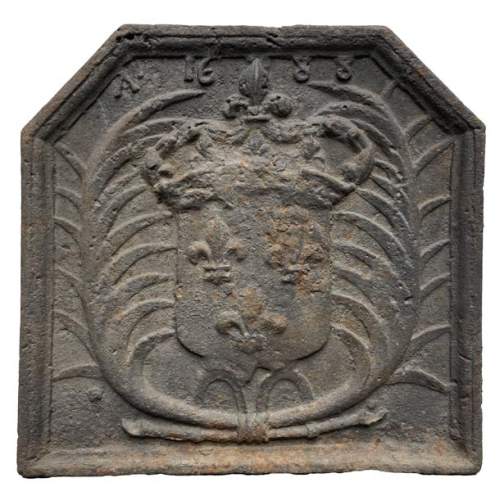
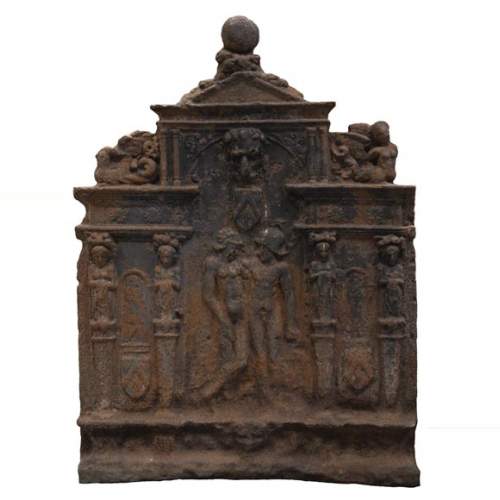
Fireback dated 1688 with the arms of France

Dimensions:
Width: 52 cm
Height: 51 cm
Depth: 3 cm

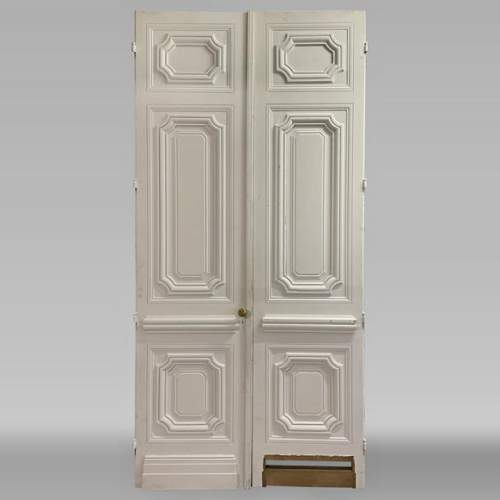
Napoleon III-style double door

Dimensions:
Width: 144 cm
Height: 296 cm
Depth: 5 cm

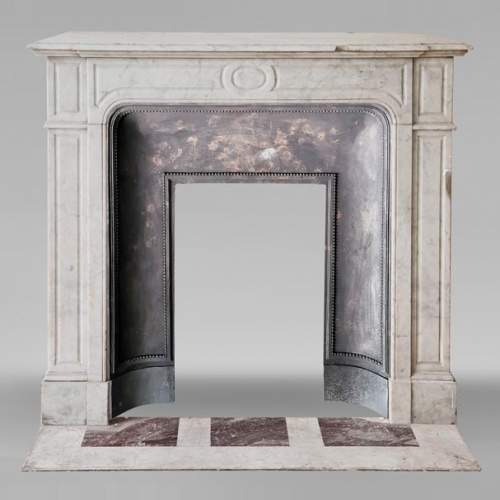
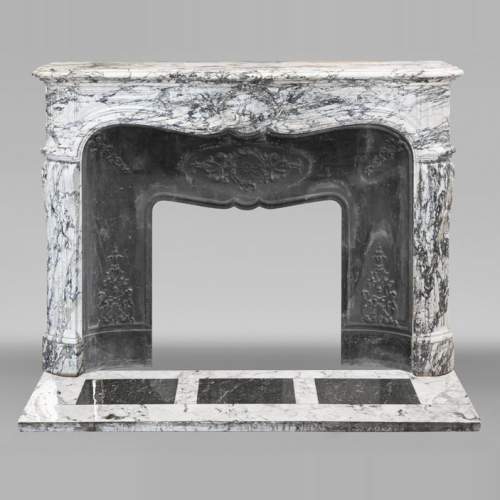
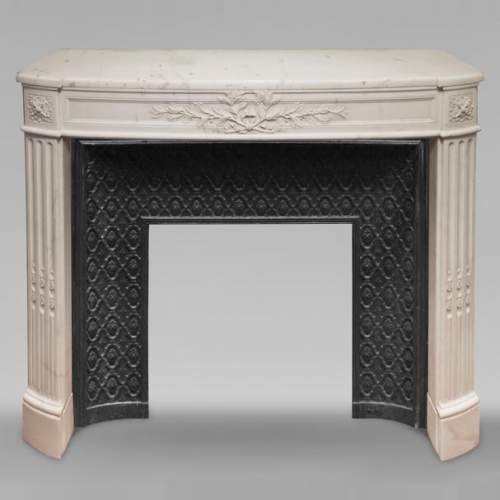
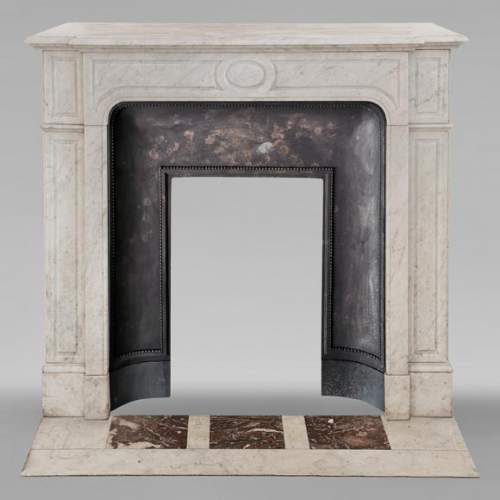
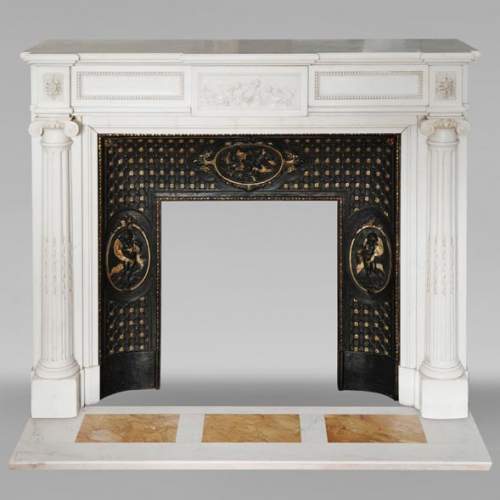
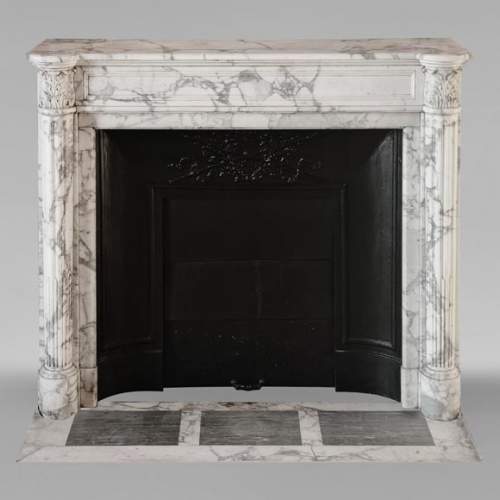
Carrara marble Louis XV mantel in the Pompadour style

Dimensions:
Width: 121 cm
Height: 105 cm
Depth: 36 cm
Inner width: 79 cm
Inner height: 88 cm

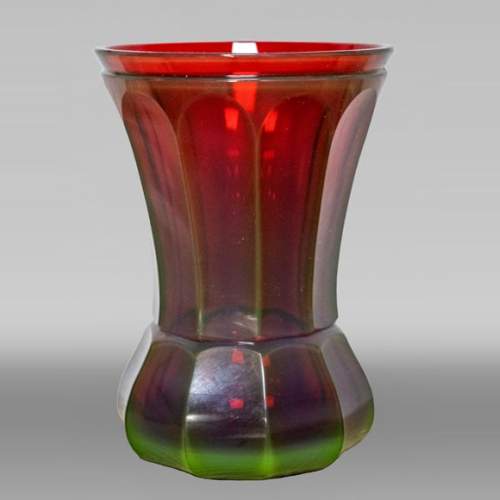
Friedrich EGERMANN, Lithyalin glass vase (between 1832 and 1864)

Ref.15693
Friedrich EGERMANN, Lithyalin glass vase (between 1832 and 1864)

This vase, with its translucent red appearance and fluorescent green base, features ten facets along a small body and a long neck—a shape typical of the Biedermeier style. Biedermeier was an artistic movement that emerged in Germany and Austria around 1814 and gradually faded by 1848. It reflected a new bourgeois lifestyle and way of thinking in Central Europe during the first half of the 19th century. Everything suggests that this vase was indeed produced by Friedrich Egermann: from its distinctive shape to its so-called “lithyalin” decoration. It was this very technique, invented by the glassmaker himself, that brought him fame. Bohemian glass regained popularity shortly after Napoleon’s fall, particularly due to the development of new coloring techniques. Between 1830 and 1844, Franz Xaver Riedel (1786–1844), a fifth-generation glassmaker from the Riedel family, developed a type of glass known as uranium glass, or “Uranium glass,” which he also called “Annagrün” in honor of his daughter. This glass contains a small amount of uranium, which gives it a fluorescent green hue. The proportion of uranium in such objects generally ranges from 0.1 to 2% of the object’s total weight. Inspired by this invention, Friedrich Egermann (1777–1864) combined it with the cementation technique he had himself developed. This process involves layering the glass with metallic oxides that alter its surface color. Egermann first discovered silver cementation (1816), which gives a yellow tint to the piece, and later, in 1832, developed copper cementation, which produces a translucent red. This glass, which Egermann called “lithyalin,” brought him wealth and renown, as it rivaled objects made of semi-precious stones. The Czech glassmaker remained the only one capable of producing lithyalin until 1840, when his workshop was burgled and his formulas were stolen and sold, even reaching France. Similar productions quickly emerged at the Saint-Louis glassworks and later at Baccarat around 1860. This vase is a precise testament to the combination of Riedel’s uranium glass and Egermann’s cementation. The color hidden within this creation is what gives it its enigmatic allure. To reveal its spectacular effect, the piece must be placed under ultraviolet light.

Dimensions:
Height: 14 cm

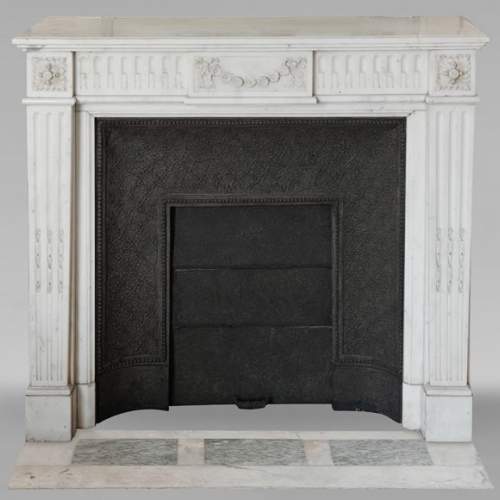
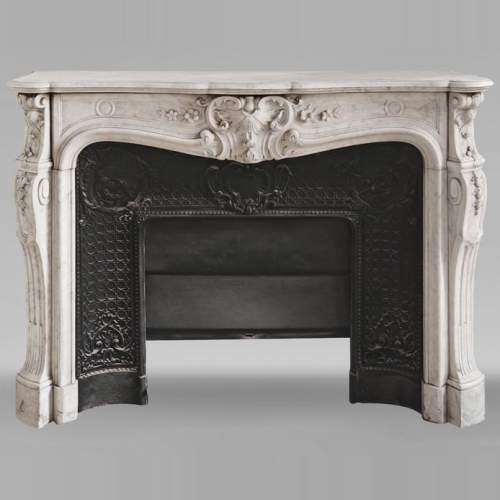
 Large Louis XV style fireplace decorated with a large shell, in Seravezza marble

Dimensions:
Width: 168 cm
Height: 118 cm
Depth: 45 cm
Inner width: 128 cm
Inner height: 97 cm