Jules Cantini (1826-1916)
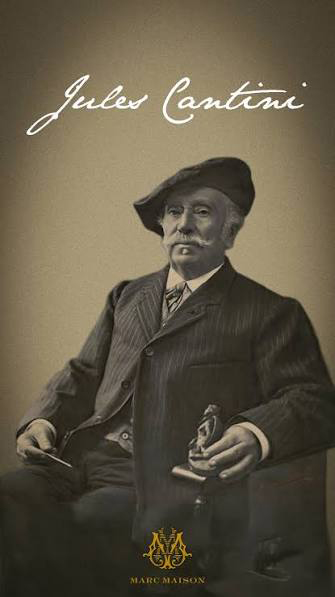
Download PDFJules Cantini is the great figure of marble in nineteenth-century Marseille: entrepreneur, sculptor and patron. Starting from the decorative sculpture workshop of his elder brother, he turned it into a genuine industrial enterprise, equipped with steam-powered sawmills and quarries in Provence, Italy and North Africa. He decorated the cathedral of the Major, designed several of his city's emblematic monuments, and finally bequeathed to Marseille his town house and his collections, now the Musée Cantini.
Origins and training
Jules Cantini was born in Marseille in February 1826, the youngest of a large family of Pisan origin. His father, Gaëtan Cantini (died 1831), was a modest marble worker who had settled in Marseille at the beginning of the century; his workshop is documented from 1808 and, in 1823, he won the contract to demolish the Porte d'Aix aqueduct during the redevelopment of the district. His mother, Marie-Thérèse Farci, ran a small poultry and provisions shop in the 1830s.
Jules was five when his father died. In 1837 he entered the free drawing school of Marseille, the future École des Beaux-Arts, at the same time as his elder brother Pierre, who founded a decorative sculpture workshop in the rue des Beaux-Arts. It was in this workshop that Jules began his career. Cantini claimed his place in the Italian community all his life, while making Marseille his adoptive homeland: he was naturalised French at the end of the 1880s.
From marble worker to industrialist
When his brother died in 1851, Jules took over the family business and turned it, in the words of historian Olivier Raveux, into "a genuine industrial enterprise". From 1852 he appears in the Indicateur marseillais as a "marble merchant" and already held, under a patent of invention, a mechanical sawmill. A sawmill was founded at Saint-Giniez and settled permanently in 1859 on the chemin du Rouet; the Prado workshops were set up as early as 1857. At the cutting edge of the technology of his day, the sawmill ran on steam power.
In 1856 he married Rose Louise Augustine Lemasle (1826-1922), the daughter of a saddler-coachbuilder. From 1855 to 1863 he also had a branch in Paris, on the quai de Jemmapes, then, from 1860, in the rue Sedaine.
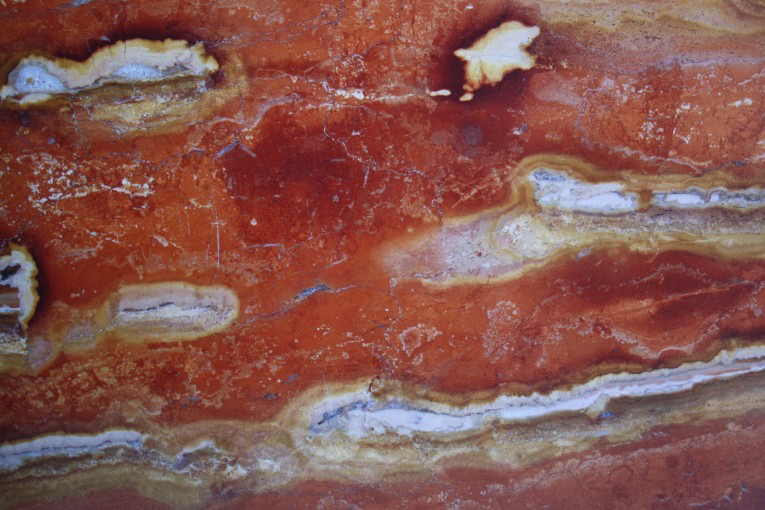
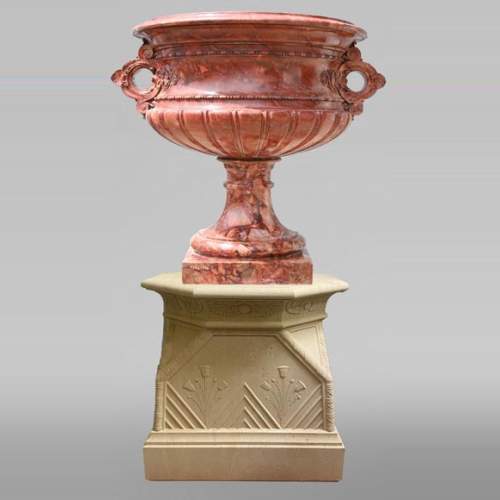
The raw material lay at the heart of the business. Cantini owned and worked the red marble quarry of Vitrolles and acquired quarries in Italy and North Africa. On the advice of Monsignor Robert, Bishop of Marseille, ivory-coloured marble quarries were discovered and worked, together with the onyx quarry of Aïn-Smara, near Constantine. His contemporaries stressed the importance he gave to colour and polychromy: he used "the white marbles of Carrara, the yellow marbles of Numidia and the red marbles of Provence".
The workshop employed up to one hundred and fifty workmen and sculptor-artists, and Cantini himself described it as "one of the foremost in France for artistic marble work". He claimed to have "carried out all the marble work of the monuments of Marseille without exception", and the INHA entry also records him as active in Constantinople, Greece, Africa and India, for private clients and public commissions alike. For ten years he chaired the Chambre syndicale des entrepreneurs de bâtiments of Marseille. In 1906 he stepped back and handed the management of the firm to his nephew and collaborator Marius Cantini.
The Major and the sculptor's career
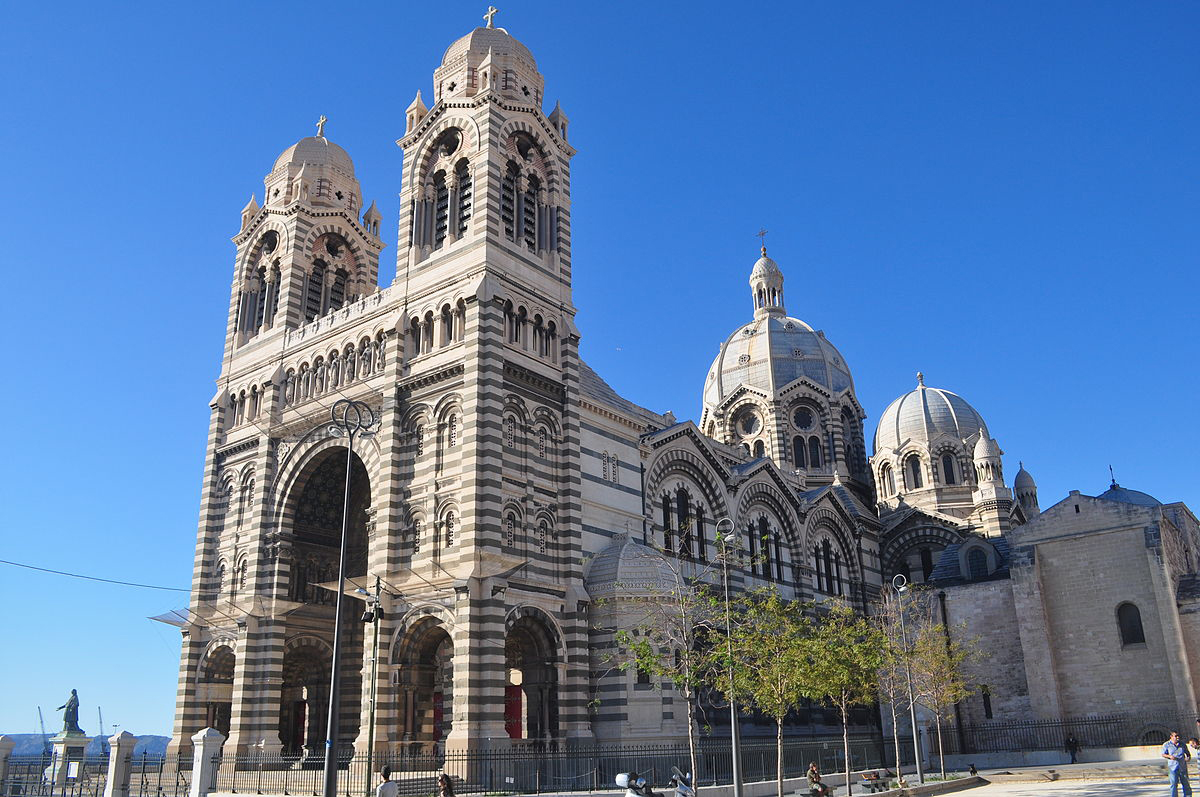
His meeting with the architect Léon Vaudoyer on the building site of the cathedral of Sainte-Marie-Majeure, known as the Major, whose first stone was laid in 1852, was decisive. Vaudoyer entrusted him with the ornamentation: Cantini was responsible for raising the columns, friezes, pilasters and statuary, in the Byzantine style of the building. This commission established his reputation as a sculptor-marble worker, and from then on he never ceased to claim the status of artist.
The exhibitions
Awards followed one after another: gold medal at the Marseille Exhibition in 1861 and at the Paris Exposition Universelle of 1878, diplomas of honour at Montpellier in 1885 and Marseille in 1886. At the Exposition Universelle of 1889 he won the Grand Prix for a white marble Louis XIV-style chimneypiece, designed and executed for a Paris town house.
In 1900 he carved in Algerian onyx La Nature se dévoilant devant la Science (Nature Unveiling Herself before Science), an interpretation of the work by Louis-Ernest Barrias; the State acquired one of his works at the Exposition Universelle. He also composed the Bon Accueil for the Marseille Colonial Exhibition of 1906, in which he took part hors concours, and received the highest distinction at the Liège Exposition Universelle in 1908. He was made Knight of the Légion d'honneur on 4 January 1887, then promoted Officer on 17 July 1908.
Marseille, Cantini's city
Marseille preserves many of his works, which historians describe as true "markers" of the urban landscape. He designed decorative elements for the church of Montolivet and for the altar of the chapel of Notre-Dame-de-la-Garde, and he was the author of the monument to Puget in the rue de Rome, which replaced a fountain judged to be in a pitiful state.
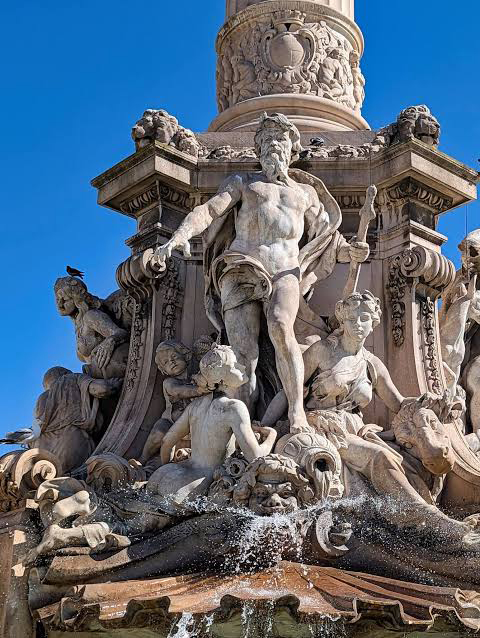
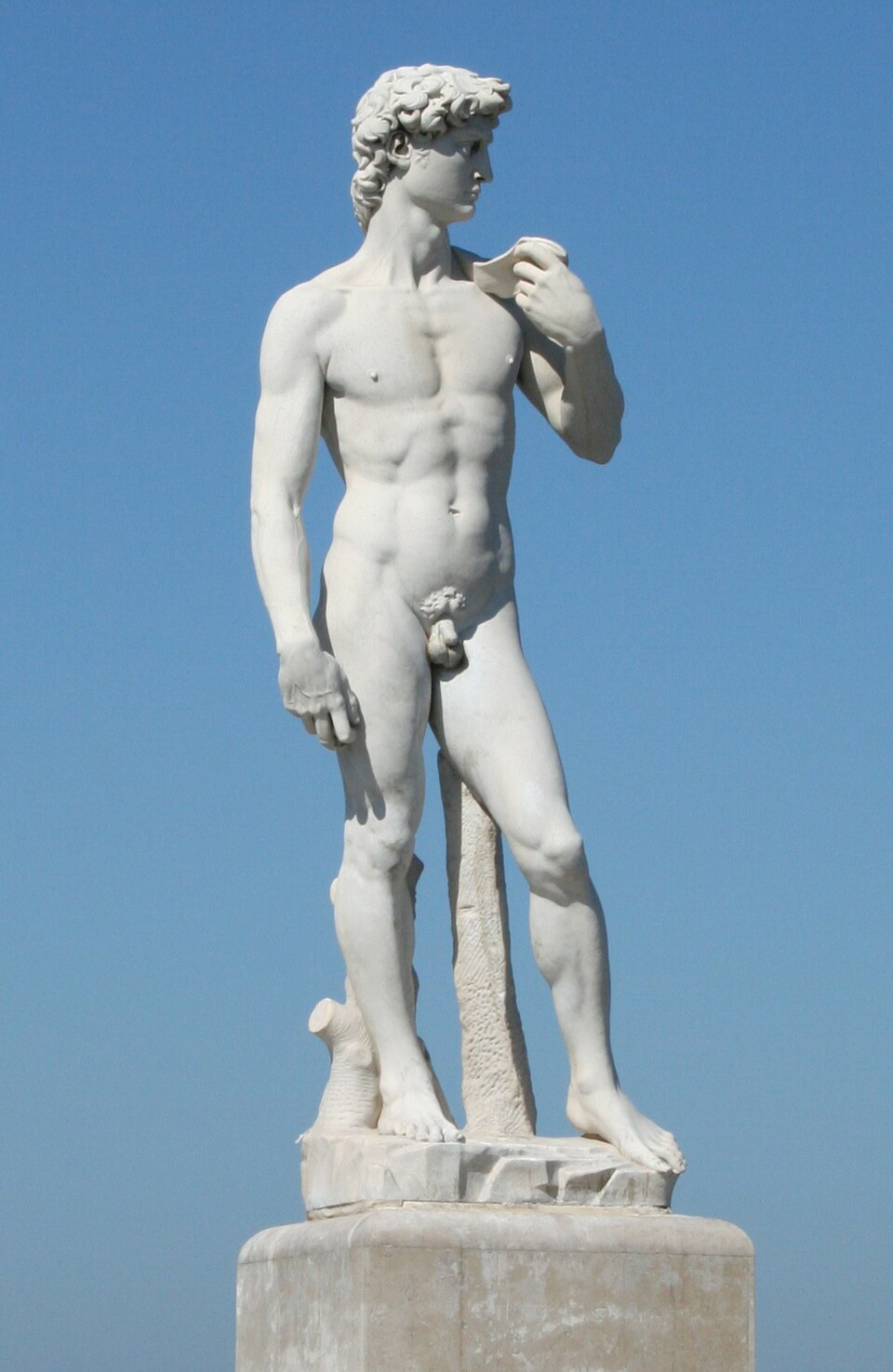
The Cantini Fountain, inaugurated on the place Castellane on 12 November 1911, is the best-known example. Cantini conceived it, and the sculptor André Allar carried out the figures. It represents the three rivers that water Provence — the Durance, the Rhône and the Gardon — and the Mediterranean Sea, and its construction required the obelisk to be moved from the square to the Mazargues roundabout. The Petit Marseillais saw in it a work of "social generosity". In 1913 Cantini also gave the City a reproduction of Michelangelo's David, which since 1949 has stood at the junction of the avenue du Prado and the avenue Pierre-Mendès-France.
Academy and teaching
Cantini was also committed to art education: in 1870 he founded a sculpture and painting section and set up a scholarship system to help young talents. He was received into the Académie de Marseille in March 1902, introduced by André Allar, to the seat of the painter Dominique-Antoine Magaud. He was also vice-president of the Commission des beaux-arts and president of the Amis du musée du Vieux-Marseille.
Patron and philanthropist
Once his fortune was made, Cantini devoted himself more and more to charitable works. He founded the Société pour les pauvres, of which he became president, and was behind the Société ouvrière de secours mutuel. On the occasion of their diamond wedding, on 20 June 1915, he and his wife gave 225 savings-bank books, worth a total of 100,000 francs, to Marseille families who were victims of the war. He was made Knight of the Order of Saints Maurice and Lazarus, which rewards aid to the needy and the sick.
He bequeathed some thirty buildings to the City of Marseille and its hospitals. The legacy of the château on the hill of Marseilleveyre, with its nineteen hectares of meadows and pine woods, was entrusted to the city's hospices, on condition that, if nothing were done with it, an equivalent gift be offered to the city of Pisa. The Société italienne de secours mutuel of Marseille likewise received twenty thousand francs: the marble worker did not forget his origins.
Jules Cantini died in Marseille on 12 December 1916, aged ninety, and was buried in the Saint-Pierre cemetery.
The Musée Cantini
His most lasting gesture was the bequest of the Hôtel Montgrand at 19 rue Grignan. This fine Louis XIV mansion, built in 1694 by Nicolas Charpentier, housed in turn the Compagnie du Cap Nègre, the Montgrand family, the Count of Grignan, Governor of Provence, and then the Cercle des Phocéens. Cantini acquired it in 1888 and let it to the club; his collections were then divided between his villa on the avenue du Prado and his country house.
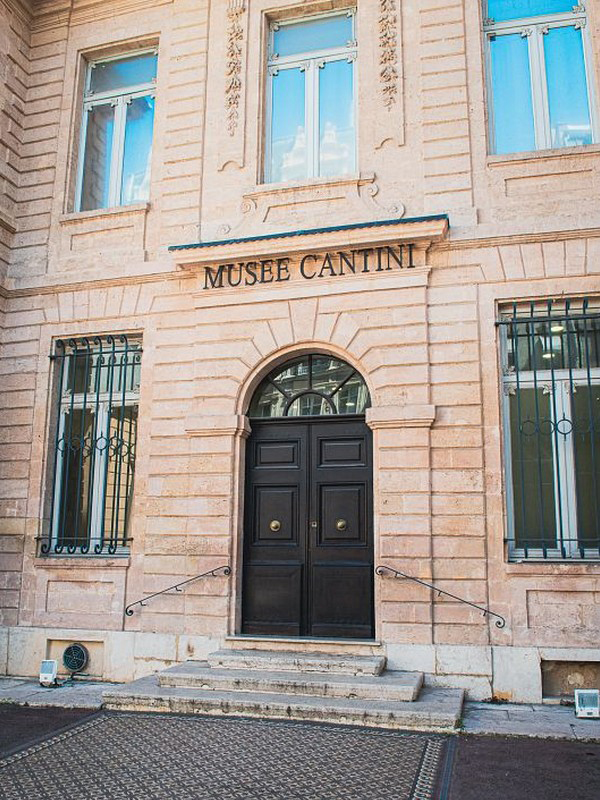
By his will he left the mansion and all his collections to the City, to be made into a decorative arts museum. The lease and the works delayed the opening by some seventeen years: the museum opened its doors only on 16 April 1936, to plans by Jean-Amédée Gibert, and then brought together more than fifteen hundred pieces. The will provided that the surplus income of the museum should be used to buy, each year, works by contemporary artists exhibiting at the Paris Salon.
The collection is deliberately eclectic. Oriented rather towards the Italian and French Renaissance and the eighteenth century, it includes Beauvais tapestries illustrating La Fontaine's fables, panels attributed to Boucher and Chardin, paintings by Monticelli and a bronze by Barye representing the Duchess of Angoulême. To these is added a group of about a hundred Asian art objects — Satsuma stoneware, Japanese ivories, jades, bronzes and cloisonné enamels — gathered as an aesthete, with no concern for age and a marked attraction to sculpted objects, no doubt an echo of his trade.
A divided verdict
Appraisals of his work varied. His successor at the Academy, the sculptor and medallist Charles Delanglade, acknowledged in his 1921 reception speech his taste for form and sumptuous cladding, but called him a "dilettante artist" who should have teamed up with a master statuary sculptor, and saw in his philanthropy a strategy of social conquest. The City's deputy for fine arts, Rémy Roux, preferred to hail him as a "servant of eternal Art", then, at the opening of the museum in 1936, as a "patron who adorns Art and the City". In between, Cantini's peers had honoured him with medals and decorations throughout his career.
Legacy
The Musée Cantini has become one of the leading French museums of modern and contemporary art, particularly rich for the period 1900-1980. An avenue in Marseille also bears the marble worker's name, and the fountain on the place Castellane remains one of the city's landmarks.
The career of Jules Cantini illustrates a type of entrepreneur characteristic of the nineteenth century: one who controls the whole chain — quarry, sawing, cutting, sculpture — before moving on to artistic commissions, and then to patronage.
See also
Marnyhac & Cie — Carrara marble — Onyx — Statuary marble — Antoine-Louis Barye — The 1889 Exposition Universelle — The 1900 Exposition Universelle
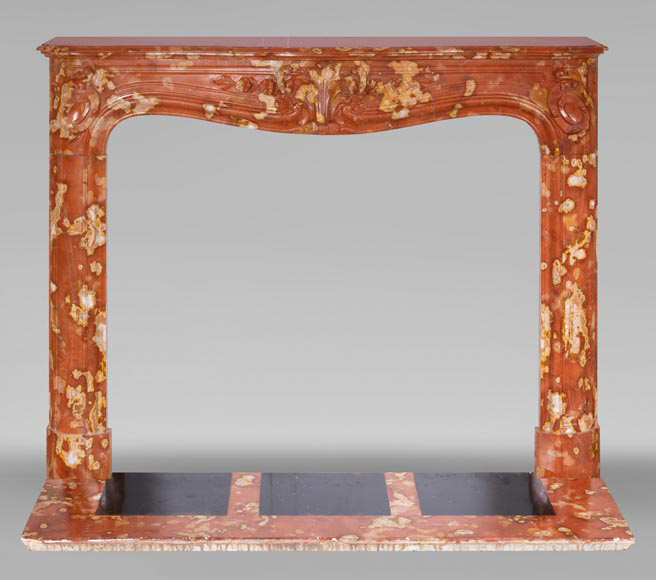
See our antique marble fireplaces
Bibliography
Reference entries
Institut national d'histoire de l'art, AGORHA database, entry "Cantini, Jules (1826-1916), Marseille" — sculptor, marble merchant and patron; archival sources and bibliography.
GrandPalaisRmn, artist entry "Cantini Jules".
Archival sources
Archives départementales des Bouches-du-Rhône, will of Jules Cantini (ref. 362 E 640) — bequest of the rue Grignan house and the collections to the City of Marseille.
Books and articles cited in the AGORHA entry
Charles DELANGLADE, reception speech at the Académie de Marseille, 1921 (eulogy of his predecessor Jules Cantini).
Olivier RAVEUX, 2007 [full title and publisher to be checked, see notes].
[Barré 1913 and Richard 1999: full references to be taken from the AGORHA entry, see notes.]
Institutions
Musée Cantini, 19 rue Grignan, Marseille — formerly Jules Cantini's town house, bequeathed to the City and opened to the public on 16 April 1936.