The Durenne Foundry, Sommevoire
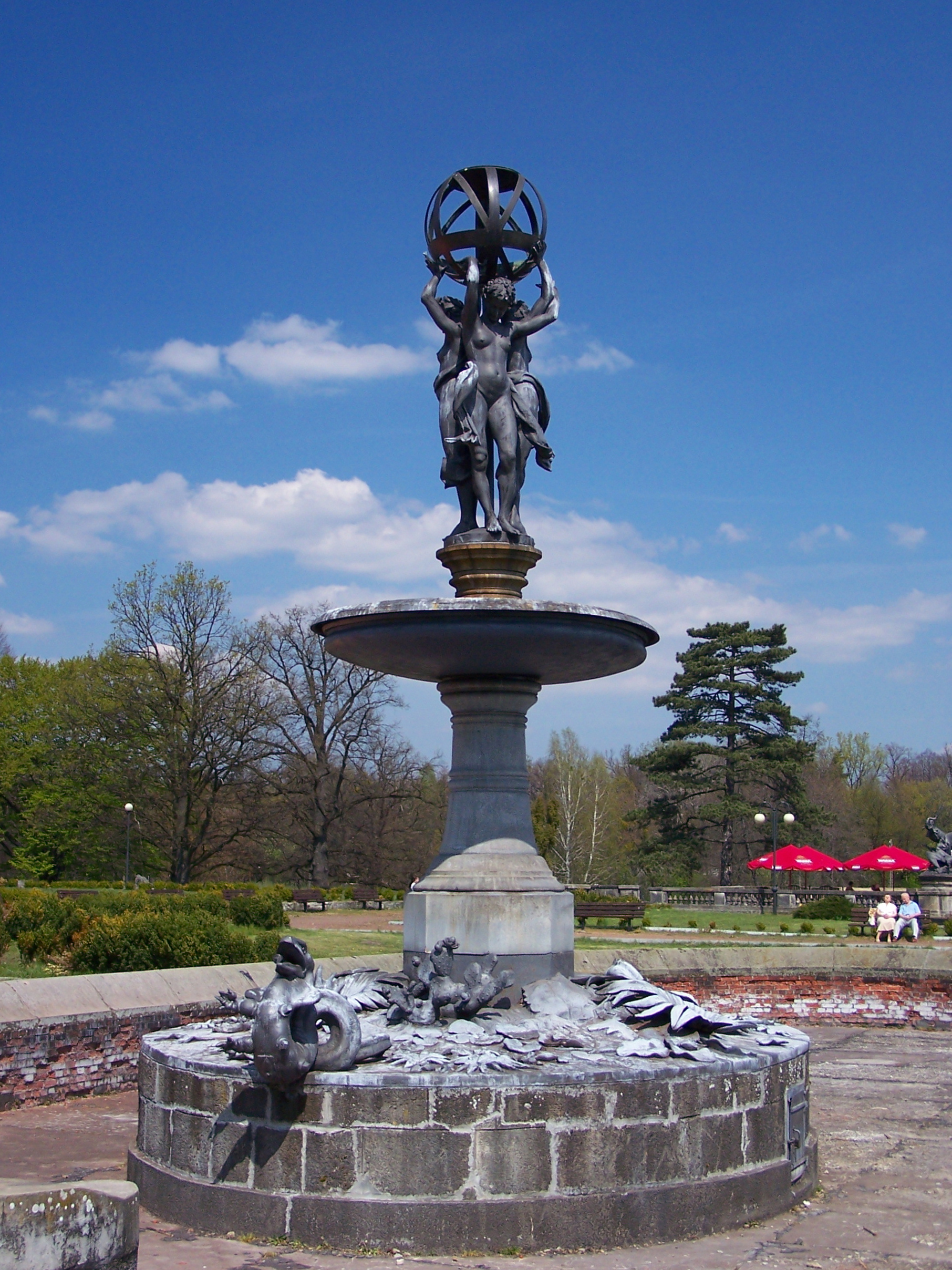
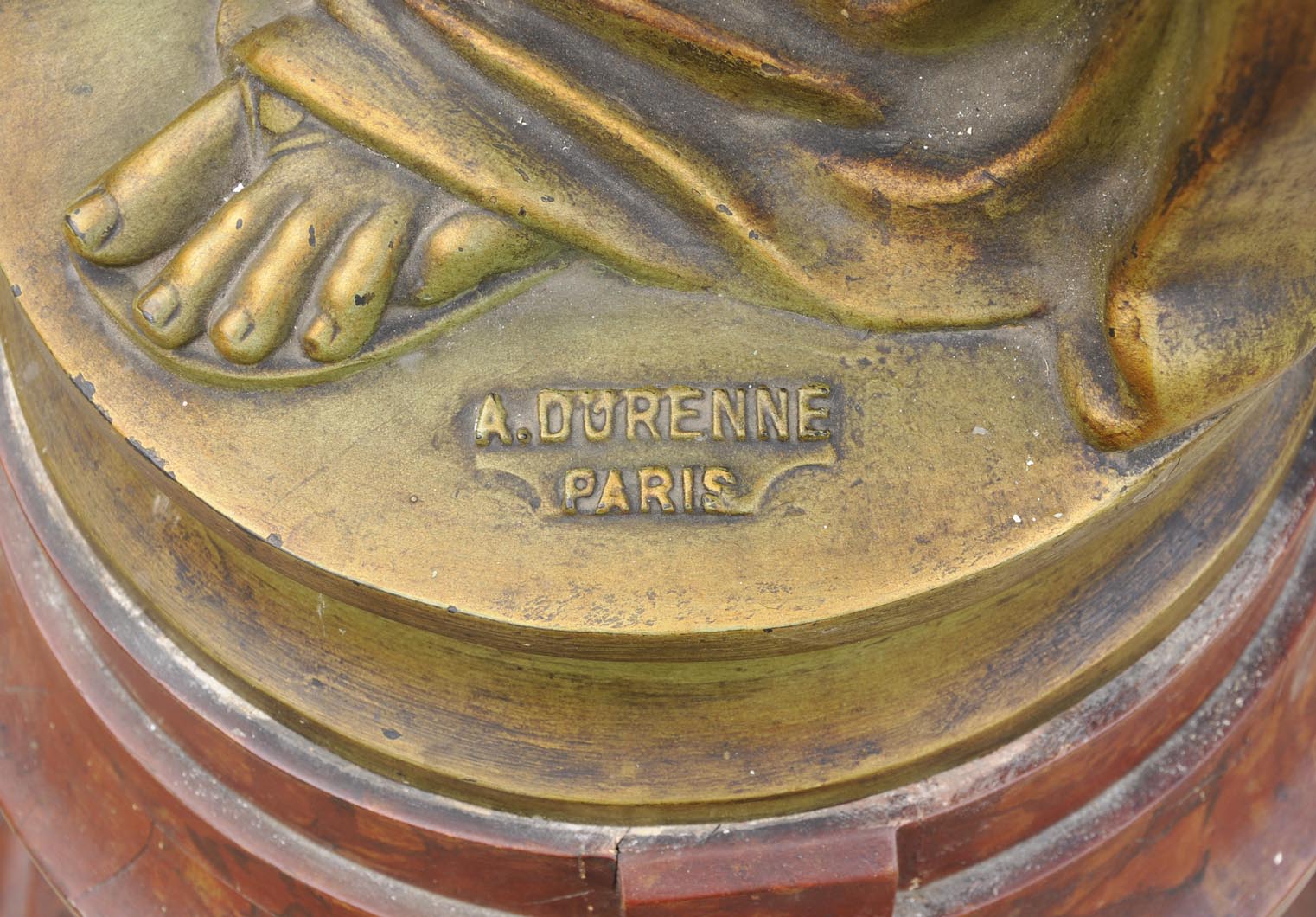
Download PDFFounded in Haute-Marne, at Sommevoire, the Durenne foundry ranks, with the Val d'Osne foundry, among the great French art foundries of the nineteenth century. Run from the late 1850s by the ironmaster Antoine Durenne (1822-1895), it cast in cast iron fountains, statues, street furniture and ornaments after models by sculptors such as Emmanuel Frémiet, Mathurin Moreau and Eugène Delaplanche. Medalled at the Expositions Universelles until 1900, it took over its rival Val d'Osne in 1931 and still exists today under other names.
Antoine Durenne, ironmaster
Antoine Durenne, born in Paris in 1822, was the son of a Parisian boilermaker. He studied at the Arts et Métiers in Angers and the École centrale de Paris, graduating around 1843, then opened a trade in moulded cast iron. The Musée d'Orsay describes him as a "maître de forge at Sommevoire" and makes him the founder of the Maison Durenne.
Sommevoire: from the Denizet works to the Maison Durenne
The Sommevoire works in Haute-Marne was created in 1836 by Denizet, according to the museum in Saint-Dizier. Antoine Durenne took over its management in the late 1850s: in 1857 he leased the Moulin-Neuf foundry from the Viry brothers, with partners, then bought it in 1859 according to the Sommevoire art-casting association (the Saint-Dizier museum gives 1858 for his taking over). There he developed the production of art castings while keeping iron founding. He also ran other works in Haute-Marne, including the one at Wassy.
Exhibitions and commissions
The quality of the castings was noticed at the Paris Exposition Universelle of 1862, where a monumental fountain sculpted by Jules Klagmann, Le mariage de l'Art et de l'Industrie, was admired. The Durenne house then took part in the Expositions Universelles until 1900 and received gold medals. Antoine Durenne was made a Knight of the Légion d'honneur in the early 1860s (1862 or 1863 depending on the source).
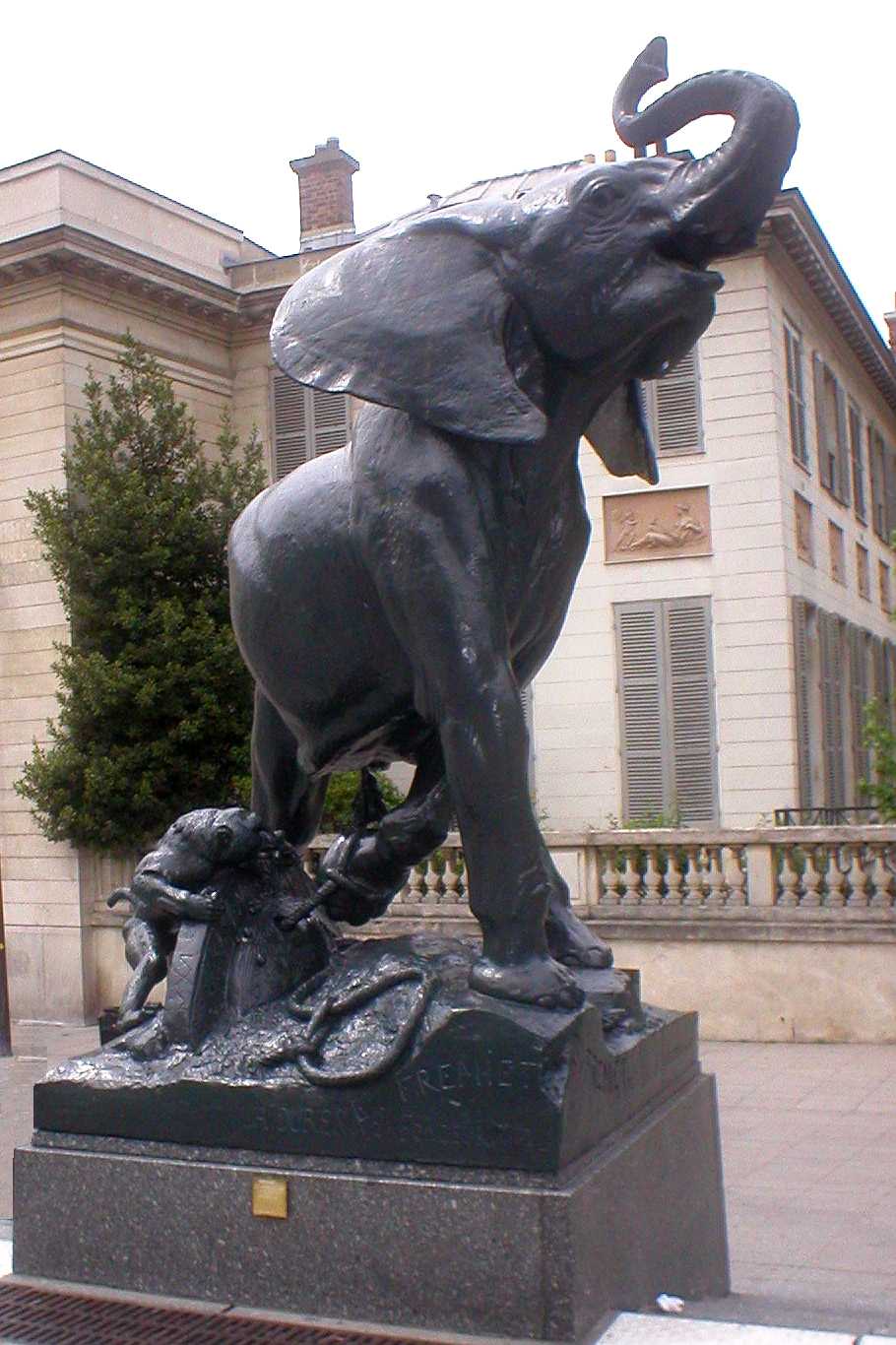
The foundry supplied part of the decoration of the Trocadéro palace for the Exposition Universelle of 1878: the great cast-iron groups of North America (Ernest Hiolle), Africa (Eugène Delaplanche), Oceania (Mathurin Moreau) and the Horse at the Harrow (Pierre Rouillard) are today kept by the Musée d'Orsay, along with Emmanuel Frémiet's Elephant Caught in a Trap, installed on the museum's forecourt. It also cast two of the winged horses of the Pont Alexandre III in Paris.
A catalogue of models
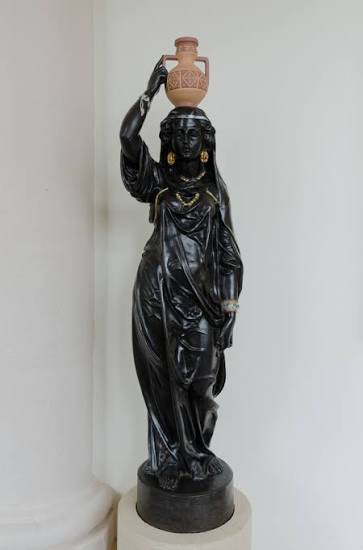
The Durenne foundry produced fountains, vases, statues after models by many sculptors, street furniture, memorials and ornaments. It also worked on war memorials, such as the one at Charleval, with the sculptor Eugène Bénet. The museum in Saint-Dizier holds a sand-cast iron statue, Mauresque, attributed to a model by the sculptor Émile Guillemin, from the Durenne workshops.
After Antoine Durenne
On Antoine Durenne's death in 1895, the Sommevoire works became the Société anonyme A. Durenne. In 1931 the foundry took over that of Val d'Osne. In 1968 a merger with other companies produced the GHM group (Société générale hydraulique et de mécanique), which filed for bankruptcy in 1986. The Wassy and Sommevoire works were taken over by the Lang-Ferry group, which continued production under the name Société nouvelle GHM; in 1989 it bought the pattern collection and the art-casting store at Dommartin.
See also
The 1900 Exposition Universelle — The 1889 Exposition Universelle — Art Nouveau
Bibliography
Institutional sources
Musée d'Orsay, Paris, catalogue of artists and personalities, "Antoine Durenne (1822-1895)"; 1878 works linked to the Maison Durenne (Hiolle, Delaplanche, Frémiet, Rouillard, Moreau).
Musée municipal de Saint-Dizier, Mauresque, sand-cast iron statue, Durenne foundry, inv. 998.2.1, Joconde entry, POP database, French Ministry of Culture (history of the Durenne foundry).
French Ministry of Culture, Mémoire database, entry on the Durenne establishments, founded by Antoine Durenne, ironmaster (1822-1895), at Sommevoire (Haute-Marne), specialised in art casting.
Heritage and association sources
Association des fontes d'art de Sommevoire, "Antoine Durenne", fontesdart-sommevoire.org.
e-monumen.net, database of monumental cast-iron and bronze heritage, entry "Durenne".
Online resources
"Antoine Durenne", Wikipedia.